
Can You Sue for a Brain Injury? Here’s What the Law Says
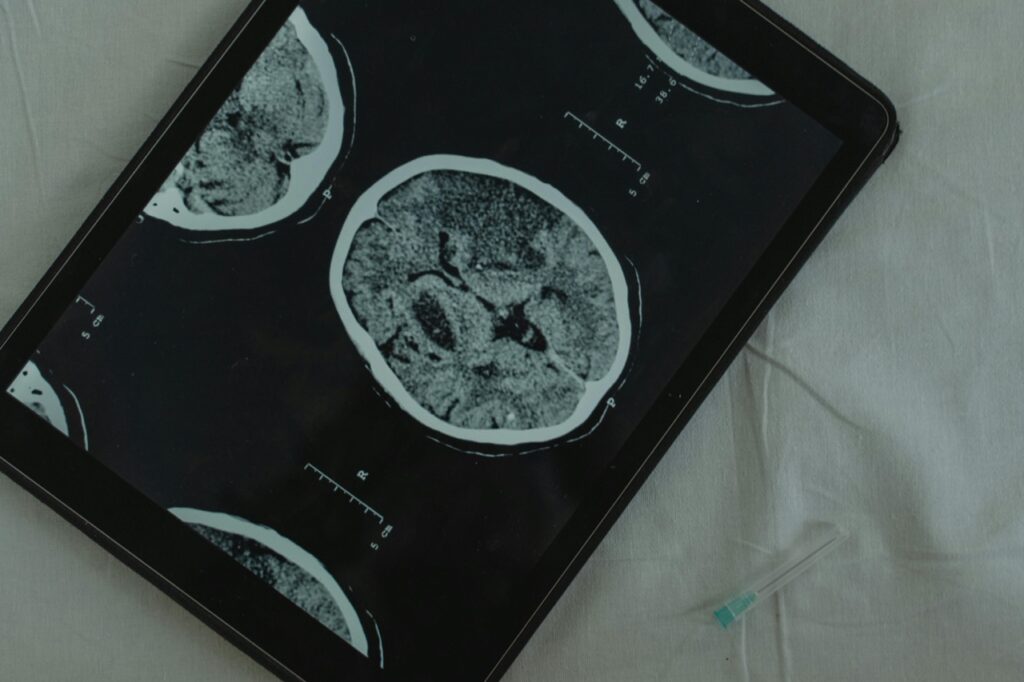
The days following a traumatic brain injury turn lives upside down. Families face immediate emotional distress, confusion, and a mountain of unexpected medical bills. If you are reading this, you are likely trying to navigate this incredibly difficult situation for a loved one, or perhaps for yourself.
You are not alone in this fight, as this type of trauma is a massive public health crisis. In fact, CDC data on traumatic brain injuries shows there were approximately 214,110 TBI-related hospitalizations in 2020. The leading causes of these serious hospitalizations are falls and motor vehicle crashes.
While managing medical care is your priority, you also have clear legal rights. Victims have the power to hold negligent parties accountable for the harm they caused. Pursuing a legal claim can help you secure the financial support necessary for long-term recovery and stability.
Do I Have a Valid Legal Case for a Brain Injury?
To file a lawsuit for a brain injury, you must prove the harm was preventable and caused by someone else’s actions. This often involves general corporate negligence, unsafe property conditions, or a careless driver. A bad accident does not automatically mean you have a case. You have to establish liability by proving another party failed to act responsibly.
Proving negligence requires a deep and immediate investigation. A good brain injury lawyer looks beyond the surface to figure out not only what happened, but why it happened. They gather police reports, safety records, and internal company documents to show fault.
To win a brain injury claim, the evidence must clearly demonstrate that the defendant owed a duty of care, breached that duty, and directly caused the victim’s long-term trauma.
Because brain injuries often involve complex medical evidence and long-term financial consequences, navigating the legal system alone can be overwhelming. Partnering with a brain injury law firm ensures that critical evidence is preserved immediately and your rights are protected.
Common Causes That Lead to Brain Injury Lawsuits
Brain injuries happen in many different ways, but most actionable legal cases stem from preventable scenarios. Identifying the exact cause of the accident is the first step in holding the right people responsible.
Motor vehicle crashes are a major source of litigation. This includes catastrophic collisions with commercial trucks, where corporate negligence plays a massive role. Trucking companies often skip routine vehicle maintenance or force drivers to work past legal hours, leading to devastating head injuries.
Premises liability is another common area of personal injury law. Property owners can be sued if a victim suffers head trauma from a slip-and-fall on a wet, unmarked floor. They are also liable for severe assaults resulting from negligent security in apartment complexes or commercial buildings.
Some cases involve highly specialized legal arguments. For example, defective products like faulty helmets or poorly designed airbags can fail to protect a user upon impact. Pediatric head trauma cases also require specific knowledge, especially when injuries result from ignored concussion protocols in school sports or tragic instances of child abuse.
| Cause of Injury | Legal Scenario Example | Potentially Liable Parties |
|---|---|---|
| Motor Vehicle Crashes | Commercial truck collision due to driver fatigue. | Truck driver, trucking company. |
| Premises Liability | Slip-and-fall on a wet, unmarked grocery store floor. | Store owner, property management. |
| Defective Products | A bicycle helmet cracking easily under normal impact. | Product manufacturer, distributor. |
| Pediatric Trauma | Lack of concussion protocols during school sports. | School district, sports league. |
The Challenge of Proving “Invisible” and Misdiagnosed Mild TBIs
Mild traumatic brain injuries are notoriously difficult to prove in a legal setting. Insurance companies frequently deny disability and injury claims by categorizing mild TBIs as “invisible” or unproven. They aggressively argue that because an injury does not show up clearly on a standard CT scan, it must not be serious.
This tactic ignores the harsh reality of emergency medical care. Many legitimate brain injuries are missed during the chaos of an initial hospital visit. Emergency room doctors often focus on stabilizing life-threatening physical injuries, easily overlooking cognitive symptoms like brain fog or memory loss.
A study published in the Archives of Physical Medicine and Rehabilitation found that 56% of mild TBI cases lacked a documented diagnosis in emergency room records.
This high rate of misdiagnosis creates a massive hurdle for victims seeking justice. Without clear medical documentation right after the accident, insurance adjusters will fight to pay nothing. They will often claim your symptoms are pre-existing or simply exaggerated.
This is exactly why a specialized legal team is necessary. Experienced advocates work with a national network of medical experts, including neurologists and neuropsychologists. These professionals use advanced testing to accurately diagnose the hidden damage and connect it directly to your accident.
What Kind of Compensation Can You Recover?
Living with a brain injury is incredibly expensive. The financial burden can quickly bankrupt a family if they do not secure proper compensation. The National Institutes of Health reports that TBI imposes significant health, social, and economic costs.
This massive financial drain justifies comprehensive legal action against the responsible parties. In fact, the Centers for Disease Control and Prevention estimated that the total annual economic cost of traumatic brain injuries in the United States sits at approximately $76.5 billion. Victims should not have to carry this unfair financial weight alone.
You can recover economic damages to cover these measurable costs. This includes paying for immediate hospital bills, intensive care stays, and specialized rehabilitation programs. You can also calculate and recover a lifetime of lost wages if the victim can no longer return to their previous career.
Beyond medical bills, non-economic damages address the unquantifiable toll of the injury. These damages cover emotional trauma, chronic physical pain, and the loss of enjoyment of life. They recognize the profound grief of losing your previous cognitive abilities or personality traits.
Non-economic damages also strictly account for the loss of consortium. This recognizes the severe strain, emotional distance, and loss of companionship placed on the victim’s spouse and family members. A brain injury affects the whole family unit, and your compensation should reflect that reality.
Conclusion
Securing justice for a brain injury is a complex and emotionally draining journey. It requires proving liability, preserving evidence early, and accurately calculating lifelong damages. The process can feel intimidating, but you do not have to fight insurance companies or navigate this crisis alone.
Expert legal advocacy levels the playing field for your family. With the right team, you can push back against unfair denials and demand the support your family needs to heal.