
How Silicosis Compensation Claims Are Handled in Australia
Silicosis is a serious occupational disease that develops through prolonged silica dust exposure in workplaces like construction sites and stone fabrication workshops.
Unfortunately, the condition is irreversible and can worsen even after exposure stops. That is why Australian dust disease and workers’ compensation law recognise it as a compensable condition.
vbr Lawyers is a compensation law firm operating across Queensland, New South Wales, and Victoria. And we actively handle dust disease and workers’ compensation matters.
In this article, we cover:
- What silicosis is and how silica dust causes it
- Which industries carry the highest exposure risk
- The types of compensation claims available
- How silicosis compensation claims are assessed
The sections below walk you through each part of the process.
What Is Silicosis and How Does Silica Dust Cause It?
Crystalline silica is a natural mineral found in stone, sand, concrete, and brick.

When workers cut, grind, or drill these materials without adequate dust controls, fine respirable particles become airborne and enter the lungs. Once inhaled, those particles scar lung tissue permanently. And the lungs have no mechanism to clear crystalline silica once it settles.
If you work in an industry where these materials are regularly handled, that exposure can build silently over time (and damage accumulates long before any symptoms appear).
Beyond silicosis itself, prolonged contact with silica dust is connected to a range of serious illnesses:
- Scleroderma
- Lung cancer
- Kidney damage
- Chronic obstructive pulmonary disease (COPD)
- Other occupational respiratory diseases
Worth Noting: The International Agency for Research on Cancer classifies respirable crystalline silica as a Group 1 definite human carcinogen. Even Safe Work Australia sets a strict workplace exposure standard of 0.05 mg/m3 over an eight-hour time weighted average, which must not be exceeded.
Certain industries see far higher rates of silica dust contact than others, and the workers within them carry a significantly greater risk of developing these illnesses.
Dust Diseases and the Industries Most at Risk
Australian occupational health and compensation law recognises several dust-related diseases, and silicosis sits among the most serious. Incidentally, the industries where silica dust generation is most common are also where diagnosis rates are highest.
Here is a closer look at the two categories that account for the majority of recorded cases across Australia.
Engineered Stone and Crystalline Silica Exposure
Engineered stone benchtops contain up to 93% crystalline silica, which is far higher than natural stone. Dry cutting or grinding this material without proper dust suppression releases dangerous levels of respirable silica particles into the air.
Those risks led to significant regulatory changes. Queensland was among the first Australian states to tighten safety requirements around engineered stone work. And a national ban came into effect in July 2024, prohibiting the manufacture, supply, and installation of engineered stone benchtops across Australia.
Other Occupations Exposed to Silica Dust
If you work in construction, mining, or tunnelling, you probably regularly handle silica-containing materials as part of the job. Foundry workers and those in pottery or abrasive blasting face similar risks through tasks like jackhammering, excavation, and concrete cutting.
In many of these roles, past dust contact is the central issue. Symptoms often surface years or even decades after the original workplace exposure, which is why your work history carries so much weight in any formal assessment.
What Compensation Claims Can Silicosis Workers Pursue?
Workers diagnosed with silicosis in Australia may have access to more than one compensation option. But it depends on their work history and the state where the dust contact occurred. The four main options are outlined below.
- Workers’ Compensation: Compensation includes lost wages, medical expenses, weekly payments, and lump sum payments for permanent impairment. In Queensland, these applications run through WorkCover Queensland under the Workers’ Compensation and Rehabilitation Act 2003.
- Common Law Damages: Where negligence by an employer or another party contributed to your silica dust contact, a common law claim may apply. It can extend to ongoing care costs, future economic loss, and pain and suffering. Strict time limits govern these matters.
- Dust Disease Schemes: Some states have separate legislation for occupational disease claims. New South Wales, for example, runs a dedicated Dust Diseases Care scheme for individuals suffering from silica-related illness, distinct from the standard workers’ compensation system.
- TPD Claims: If your lung function has been considerably and permanently reduced, a TPD claim through your superannuation fund may also be available. This option operates independently of workers’ compensation and common law proceedings.
Under certain state schemes, dependent children and other family members may also be covered for additional support costs.
The next section covers what evidence is needed to support any of these claims.
Medical Evidence and How It Supports a Silicosis Claim
Strong medical evidence gives a silicosis compensation claim its foundation. Without it, establishing the link between a diagnosis and workplace dust contact becomes considerably more difficult.
A formal diagnosis from a respiratory specialist or occupational physician is generally the starting point. Assessors need clear, verifiable proof that the condition exists and connects directly to occupational silica contact.
Silicosis proceedings most commonly draw on four types of evidence:
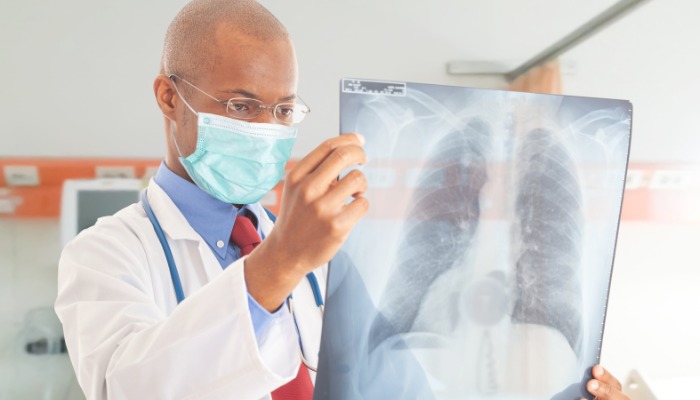
- Chest Imaging: High-resolution CT scans and chest X-rays identify the characteristic scarring patterns associated with silicosis. This gives doctors a clear picture of how far the condition has progressed.
- Lung Function Tests: Standardised tests like FEV1 and FVC measure your degree of breathing impairment and establish a baseline that reviewing specialists use for ongoing evaluation.
- Occupational History: A detailed record of work environments, tasks, and duration of silica contact is what allows assessors to connect a diagnosis to a specific workplace. In its absence, that connection becomes far more difficult to prove.
- Expert Reports: Where the degree of impairment is disputed, independent assessments from occupational physicians add significant weight to your matter in formal hearings.
Where a TPD claim or common law proceeding applies, you will also need to document permanent lung function damage as part of the assessment. Severe shortness of breath, reduced capacity, and progressive impairment all factor into how a claim is ultimately valued.
How Silicosis Compensation Claims Are Assessed
Most claims involve several moving parts, and the approach differs depending on which one a worker pursues. For workers’ compensation matters specifically, a licensed medical assessor rates the degree of permanent impairment using a statutory scale.
That rating directly determines the lump sum amount you may receive. Weekly payments and medical costs are calculated separately, based on the nature and progression of your illness.
For common law proceedings, the assessment is broader. Assessors consider a wider range of factors, including:
| Factor | What It Covers |
| Disease severity | The current stage and progression of the condition |
| Functional impairment | How significantly the illness affects your daily life and capacity to work |
| Age and work history | Years of employment, roles held, and duration of silica contact |
| Economic loss | Your lost income, both past and projected down the track |
| Care costs | Ongoing assistance required as a result of permanent lung damage |
Strict time limits govern how long you have to lodge a claim, and these deadlines vary between states and claim types. In Queensland, for instance, most applications must be lodged within three years of becoming aware of the condition.
In New South Wales and Victoria, different legislative frameworks apply, each with its own assessment criteria and time restrictions. If your exposure occurred across more than one state, that adds another layer to the process.
Understanding the Silicosis Claims Process in Australia
The claim type, assessment criteria, and compensation involved all vary depending on the state and the diagnosed condition. However, a few things remain consistent across all jurisdictions.
These factors sit at the centre of any silicosis matter:
- Medical Documentation: Your diagnosis and supporting clinical records form the backbone of any formal claim, regardless of which option applies.
- Occupational History: A clear record of your work environments and silica contact duration directly shapes how assessors evaluate your claim.
- Time Limits: Each state enforces its own deadlines for lodging a claim. Missing those cut-off dates can affect how your matter proceeds.
If your exposure occurred across more than one state, or your situation involves multiple claim types, the overall assessment will carry additional layers.
To find out more about the silicosis claims process or other occupational disease claims, get in touch with the team at vbr Lawyers.